Welcome to your step-by-step guide to building a home extension in Christchurch. Whether you need more space for your family, want to add value to your property, or simply dream of a larger living area, knowing where to start can feel overwhelming. This guide walks you through the first steps — from understanding local council rules and setting a realistic budget to finding trusted builders and getting the right approvals. By the end, you’ll know exactly how to plan, prepare, and build your Christchurch home extension with confidence and peace of mind.
The first steps to building an extension in Christchurch include defining your goals, checking council building consent requirements, setting a realistic budget, and hiring licensed local builders. These steps help you plan effectively, stay compliant with Christchurch City Council regulations, and ensure your extension project runs smoothly from start to finish.
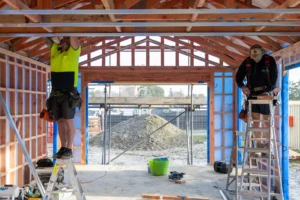


Table of Contents
Understand Why You Want An Extension
Before you start your home renovation in Christchurch, take a moment to understand why you want an extension. Every successful project begins with a clear purpose. Are you craving more space for a growing family? Do you want to increase your home’s value? Or are you looking to create a better lifestyle with a modern open-plan layout? Identifying your “why” will guide every decision you make — from the design and materials to the size and overall cost.
When your goals are clear, planning becomes easier. A family-focused extension might prioritize an extra bedroom or a larger living area, while an investment-driven project may focus on features that add resale value, such as a self-contained unit or a stylish kitchen upgrade. Your purpose shapes the layout, functionality, and long-term return of your build. Without it, you risk creating a space that looks great but doesn’t truly serve your needs.
To get started, write a short “home wish list.” List everything you want from your new space — more light, better storage, an office nook, or room for guests. Be realistic about what fits within your property and budget. This simple exercise helps you see what matters most and where you’re willing to compromise.
Remember, a home extension isn’t just about extra square meters. It’s about tailoring your home to your lifestyle. There’s a special satisfaction in designing a space that perfectly fits how you live — whether it’s a sunlit dining area for family dinners or a quiet study tucked away from the noise.
If you’re planning your first house extension in Christchurch, take the time to think deeply about your motivation. The clearer your purpose, the smoother your journey from idea to completion.
Research Christchurch Council Rules And Building Regulations
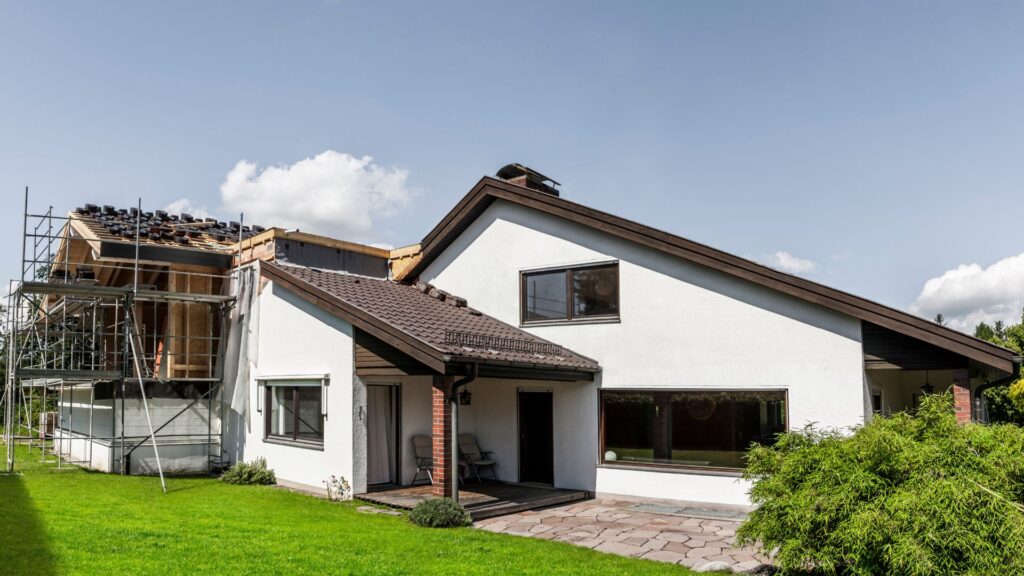
Building an extension in Christchurch isn’t as simple as sketching an idea and calling a builder. The Christchurch City Council has strict rules that protect safety, maintain community standards, and ensure every project meets local building laws. Before you start, it’s crucial to understand what permissions you need, how zoning affects your property, and which regulations apply to your project. Doing this early saves time, money, and unnecessary frustration later.
When You Need A Building Consent
In Christchurch, most extensions require a building consent from the council. This legal approval confirms your plans meet the Building Code for structural strength, fire safety, moisture protection, and durability. You’ll need consent if you’re:
- Changing the structure of your home (for example, adding rooms or removing walls)
- Expanding the floor area or roofline
- Altering plumbing, drainage, or foundations
- Building close to property boundaries
Some small projects, like minor interior renovations, may be exempt, but it’s always safer to confirm with the Christchurch City Council before starting work. The council’s building consent page provides clear guidance on what’s covered and how to apply.
Resource Consent Considerations
Apart from building consent, you might also need resource consent. This focuses on how your extension affects the environment, neighbors, and land use. You’ll need resource consent if your project doesn’t comply with the Christchurch District Plan — for instance, if you’re building higher than allowed or extending too close to a boundary. The process involves submitting detailed plans and, sometimes, consulting affected neighbors. It may take several weeks, so factor it into your project timeline.
Setback, Boundary, And Height Limits
Christchurch’s building rules also set strict limits to protect privacy and sunlight access for neighboring properties. These include:
- Setback limits: How far your structure must be from the property boundary.
- Boundary rules: Restrictions that prevent you from building too close to another property.
- Height limits: Maximum building height allowed based on your zoning and lot size.
If your extension exceeds any of these limits, you’ll likely need resource consent. Checking your site’s zoning map on the council website helps clarify what’s possible before finalizing your design.
Check Zoning Before Hiring Builders
Before you bring a builder or architect on board, confirm your property’s zoning and development restrictions. Zoning determines what type of construction is allowed in your area — residential, rural, or mixed-use — and influences everything from design approval to construction methods. Understanding this early helps you hire professionals familiar with local rules, avoiding costly redesigns or council rejections.
Getting familiar with Christchurch’s council regulations might not be the most exciting part of your project, but it’s the smartest first move you can make. By confirming consents, understanding limits, and checking zoning, you’ll set a solid foundation for a smooth, compliant, and stress-free home extension journey.
Set A Realistic Budget
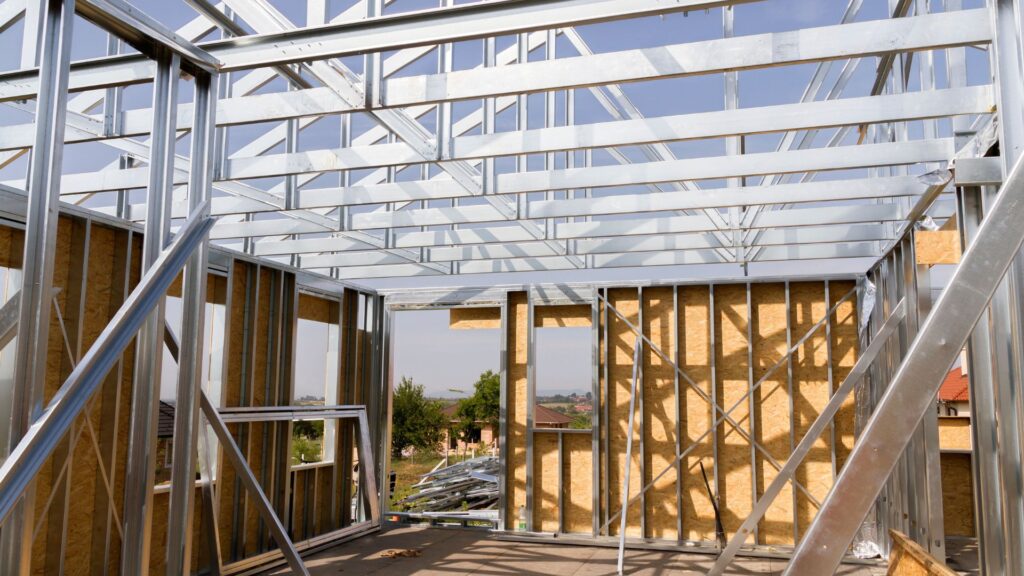
Setting a realistic budget is one of the most important first steps when building an extension in Christchurch. A clear budget helps you avoid surprises, manage costs, and keep your project on track from start to finish. Many homeowners begin with a rough idea of what they can afford but underestimate hidden expenses such as consent fees, materials, or labor costs. Taking time to plan your budget early will save you money and stress later on.
The average cost of a home extension in Christchurch typically ranges from $2,500 to $4,000 per square meter. This estimate covers construction, materials, and labor but can vary based on several factors. For example, a small single-room addition with standard finishes may cost less than a complex two-storey extension that requires significant structural work. Always remember that no two projects are the same—location, site access, and design choices can all affect the final price.
Factors That Influence Extension Costs
- Size Of The Extension
The bigger the space, the higher the cost. Larger extensions require more materials, longer labor hours, and often higher permit fees. - Materials And Finishes
Your choice of materials has a major impact on the budget. Timber, concrete, brick, and glass all come with different price points. High-end finishes like custom cabinetry or designer fixtures can quickly increase costs. - Design Complexity
A simple, single-level extension is usually more affordable than one with multiple levels, roof alterations, or unique architectural features. Complex designs also take longer to build and may require additional engineering support. - Building And Resource Consent Fees
In Christchurch, you’ll likely need both building and resource consents from the local council. Consent fees can vary depending on project size and scope, so it’s wise to check the Christchurch City Council website for current costs.
Include A Contingency Fund
Even with careful planning, unexpected expenses can arise during construction. To protect your budget, set aside a 10–15% contingency fund. This extra buffer covers surprises such as material price increases, weather delays, or structural issues discovered during the build. A contingency fund gives you flexibility and peace of mind, ensuring your project can move forward without financial strain.
Example Budget Breakdown
Here’s a sample breakdown for a 30-square-meter home extension in Christchurch:
- Construction and labor: $75,000 – $90,000
- Materials and finishes: $10,000 – $20,000
- Design and architectural fees: $5,000 – $10,000
- Building consent and council fees: $2,000 – $4,000
- Contingency fund (10–15%): $9,000 – $15,000
Estimated total: $101,000 – $139,000
These figures are only examples, but they illustrate how costs can add up quickly. Taking the time to plan and review every detail helps you stay within budget and avoid costly setbacks.
Budgeting for a home extension in Christchurch doesn’t have to be complicated—it just requires realistic expectations and good planning. Start with clear goals, research local costs, and speak with experienced builders or architects who understand the Christchurch market. With a well-prepared budget and a safety buffer, you’ll be ready to move forward with confidence and enjoy the process of expanding your home.
Find The Right Professionals
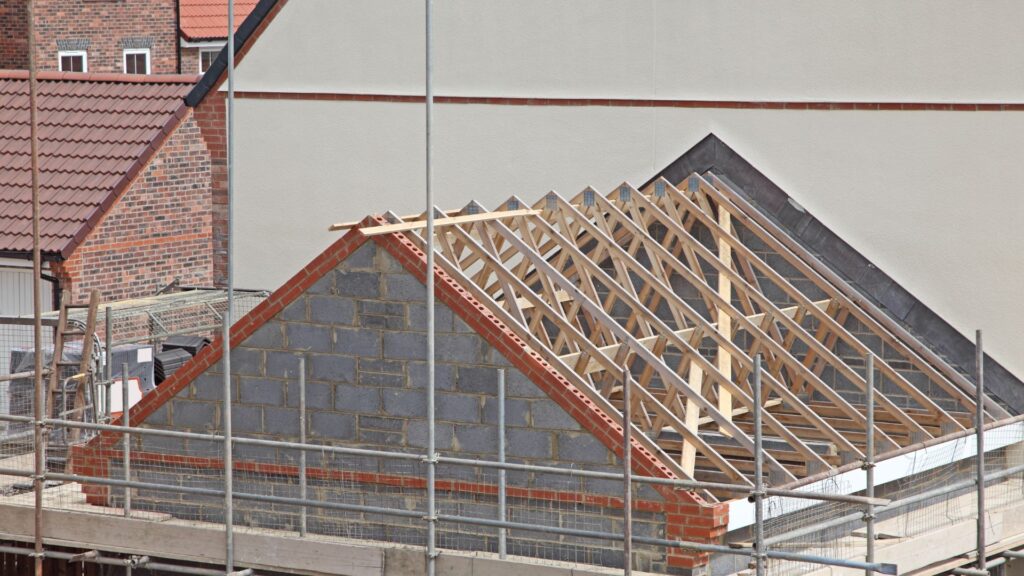
Choosing the right people to bring your home extension to life is one of the most important decisions you’ll make. The success of your project depends on the experience, communication, and reliability of the professionals you hire. In Christchurch, local knowledge and expertise matter more than you might think—especially when it comes to understanding the city’s soil conditions, climate, and building regulations.
Architect Or Designer
An architect or designer turns your vision into a practical plan. They help you balance aesthetics, space, and functionality while ensuring your design meets Christchurch City Council requirements. A skilled architect can also identify potential problems early, such as boundary restrictions or drainage issues, saving you time and money later.
When choosing a designer, ask to see examples of previous home extensions in Christchurch. Review their portfolio and ensure they have experience working with homes similar in age or structure to yours. This helps guarantee that your design complements your existing home while meeting all local standards.
Structural Engineer
A structural engineer ensures your new extension is safe, stable, and built to last. They assess the foundation, load-bearing walls, and roof structure to make sure your home can handle the new addition. In Christchurch, this step is crucial because the region’s seismic activity demands precise engineering standards.
A good engineer will provide detailed calculations and drawings for your building consent application. Always check their credentials and confirm they’re familiar with Christchurch’s soil and earthquake resilience requirements.
Licensed Builder
Your licensed builder is the person who turns your approved plans into reality. Look for someone listed on New Zealand’s Licensed Building Practitioner (LBP) register. This ensures they meet government standards and are authorized to carry out building work that affects a home’s structure.
Local experience is essential. Christchurch builders who regularly work with the city’s consent process and understand the local climate can better plan around challenges like heavy rain or soil movement. Ask for photos of previous projects, and if possible, visit a current build to see their workmanship firsthand.
Project Manager (Optional)
While not always required, a project manager can make the process smoother. They coordinate between contractors, track timelines, manage budgets, and handle council inspections. For busy homeowners or larger extensions, a project manager can help prevent costly delays and miscommunication.
If you choose to hire one, ensure they have proven experience managing Christchurch-based projects and can provide references from satisfied clients.
How To Choose The Best Team
Before committing, interview at least three professionals in each role. This gives you a clearer idea of pricing, communication styles, and work quality. Ask about:
- Their experience with similar projects
- Expected timelines
- Handling of council approvals and inspections
- Insurance and warranties
Always check licenses, read past client reviews, and confirm local expertise. Professionals with deep Christchurch experience will know how to navigate the city’s unique consent requirements, variable weather, and seismic building standards.
Building a home extension in Christchurch is a big step, but the right team makes it smoother, safer, and more rewarding. Take your time choosing qualified professionals who understand both your vision and the local environment. With the right experts by your side, your dream extension will come together beautifully—strong, compliant, and built to last.
Plan Your Design
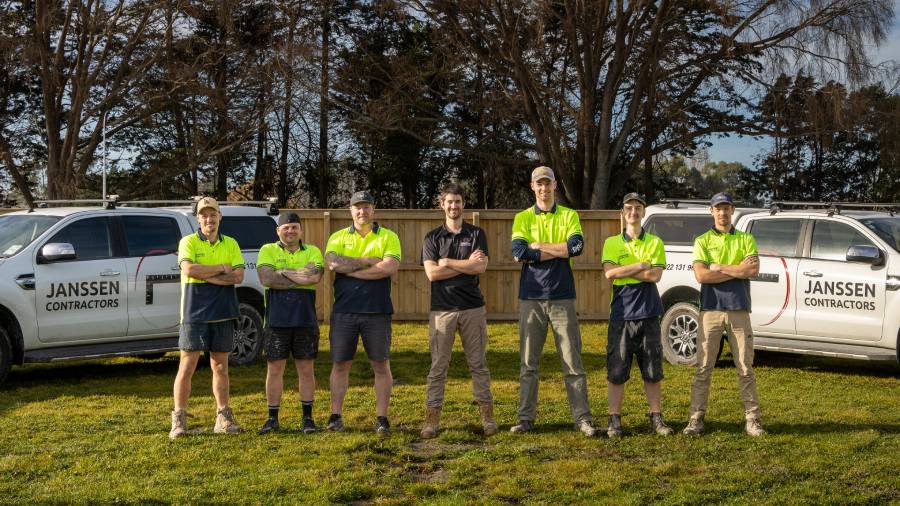
Designing your home extension is one of the most exciting parts of the building process. It’s where your ideas start to take shape and your vision becomes something tangible. The goal here is to create a design that looks beautiful but also functions perfectly for your lifestyle. Working with a professional architect or designer can make a big difference, especially when it comes to balancing style, practicality, and local building requirements in Christchurch.
An experienced architect will help you design a space that complements your existing home while making the most of your section. They understand how to manage Christchurch’s specific conditions, such as climate, sunlight direction, and local design standards. Together, you can plan a layout that fits your daily routine, whether that’s expanding your kitchen, adding a second storey, or opening up your living space.
When planning your design, pay close attention to layout and flow. Think about how you move between rooms and how each space connects. A well-thought-out floor plan not only feels comfortable but also adds value to your property. Make sure natural light reaches key areas—like your kitchen or lounge—by adding larger windows, skylights, or sliding doors. Good light makes a home feel warmer and more inviting, something especially important in Christchurch’s cooler months.
Energy efficiency should also be part of your design strategy. Insulated walls, double glazing, and energy-smart appliances will reduce long-term costs while keeping your home comfortable year-round. It’s not just about saving money—it’s about building smarter and more sustainably.
Some of the most popular extension styles in Christchurch include:
- Kitchen extensions that create more space for cooking and entertaining.
- Second-storey additions that expand living areas without sacrificing outdoor space.
- Open-plan living upgrades that improve natural light and make homes feel larger and more modern.
To make the design process easier, use visual tools like sketches, floor plans, or 3D mockups. These help you see how the finished space will look and feel before construction begins. It’s much easier to adjust a drawing than a finished wall, so take the time to visualize every detail.
Your home extension should reflect how you live, not just what looks good on paper. The best designs blend functionality, comfort, and personal style—resulting in a space that truly feels like home.
Apply For Building Consent
Before you start any physical work on your home extension in Christchurch, you must apply for building consent from the Christchurch City Council. This step is one of the most important parts of the entire process because it ensures your project meets New Zealand’s Building Code and local safety standards. Skipping or rushing this step can lead to costly delays, fines, or even having to redo the work later.
What’s Needed For The Application
When you apply for building consent, you must submit a clear and complete set of documents that explain exactly what you plan to build. These documents allow the council to assess whether your design complies with building regulations. Here’s what you’ll need:
- Architectural plans: Include floor plans, elevations, and cross-sections showing the overall structure.
- Specifications: List the materials, construction methods, and finishes to be used.
- Structural details: Provide engineering calculations, foundation plans, and load-bearing information to prove the building will be safe and stable.
- Drainage and site plans: Show how water will be managed and where your extension sits on the property.
- Energy efficiency details: Outline insulation, ventilation, and lighting systems to meet performance requirements.
Having these details ready before submitting your application speeds up the review process and reduces the chance of it being sent back for corrections.
Realistic Time Frames
Once your building consent application is submitted, the Christchurch City Council typically takes 20 to 30 working days to process it. Keep in mind that this time frame can extend if the council requests further information or if your design is particularly complex. The best approach is to make sure your application is complete and accurate from the start. Respond quickly to any requests from the council to keep your project moving forward.
Construction Can’t Start Without Consent
It’s important to understand that you cannot begin construction until you have received official building consent. Starting early without approval is a breach of the Building Act 2004 and can result in penalties, stop-work notices, or even the need to demolish non-consented work. Wait for your official consent document before allowing any construction to begin.
Quick Checklist Of Documents Required
Use this simple checklist to make sure you have everything ready before applying for consent:
- Complete building consent application form
- Full set of architectural and structural plans
- Site plan with measurements and boundaries
- Specifications and materials list
- Engineer’s calculations or producer statements (if required)
- Drainage and stormwater plans
- Energy efficiency details (insulation, heating, lighting)
- Proof of ownership or authorization to build
Double-check each item before submission to avoid delays and unnecessary back-and-forth with the council.
Prepare Your Site And Timeline
Before your Christchurch home extension begins, proper site preparation and a clear project timeline are essential. These early steps set the foundation for a smooth and safe build. When you take time to organize your site and schedule, you help your builders work efficiently and reduce unexpected delays later.
Site Preparation
Start by clearing the area where the extension will be built. Remove any debris, garden plants, fences, or outdoor furniture that may obstruct access. If trees or large structures are nearby, consider whether they need trimming or removal to make space for construction. The goal is to create a safe, open, and accessible work zone.
Make sure builders have clear access to the site for vehicles, tools, and materials. Narrow driveways or blocked entry points can cause daily disruptions. If space is limited, talk to your contractor about alternative access routes or temporary storage areas for building materials.
Safety should always come first. Check that all power, water, and gas lines are properly marked before any digging begins. If the extension involves foundation work or excavation, your contractor may need to arrange site fencing, warning signs, and temporary barriers to protect both workers and your family. Keeping the work area secure also helps meet Christchurch City Council safety standards.
Typical Extension Timeline
Most extensions in Christchurch follow five main stages:
1. Design – Work with your architect or designer to finalize plans, layouts, and materials. This stage includes creating drawings and ensuring the design meets building regulations.
2. Consent – Submit your plans to the Christchurch City Council for building consent. This process usually takes 20–30 working days but can vary depending on project complexity.
3. Construction – Once consent is granted, construction begins. This phase includes foundation work, framing, roofing, and interior finishing. Regular updates and site meetings help keep the project on track.
4. Inspection – The council will carry out periodic inspections to ensure the build meets approved plans and complies with building codes. These checks happen at key milestones, such as foundation and framing completion.
5. Sign-Off – After final inspection, you’ll receive a Code Compliance Certificate (CCC). This document confirms that your extension meets Christchurch’s building standards and is officially complete.
How Weather Impacts Christchurch Construction
Christchurch’s weather can play a major role in construction schedules. Heavy rain, strong winds, and cold winter temperatures can delay work, especially during excavation or exterior framing. Builders may need to pause construction during bad weather to prevent water damage or safety risks.
To avoid frustration, plan for flexibility in your timeline. Include a buffer of one to two weeks in your schedule to accommodate weather delays. Good communication with your builder also helps manage expectations—experienced local contractors understand Christchurch’s climate patterns and can adjust plans when needed.
Start Construction
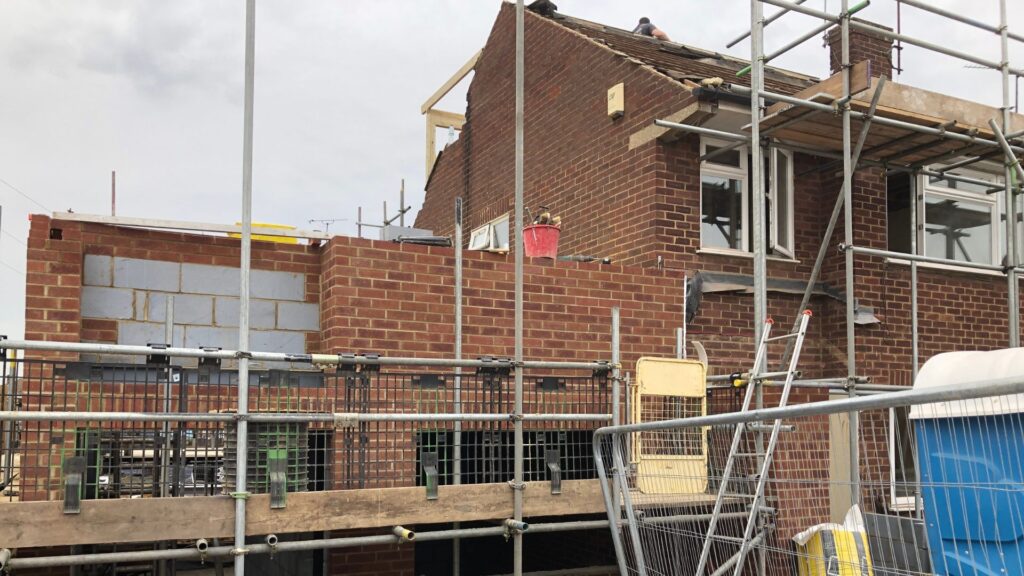
Once your plans are approved and building consent is granted, it’s time to start construction. This is the most exciting phase — when your Christchurch home extension begins to take shape. Understanding each stage of the build helps you stay informed, communicate effectively with your builders, and ensure everything stays on track.
Foundation
The foundation is the base that supports your entire extension. Builders will first clear the site, mark boundaries, and dig trenches based on your approved plans. Steel reinforcements and concrete are then poured to create a stable base that can handle Christchurch’s soil and weather conditions.
A strong foundation is vital for long-term durability, especially in areas prone to movement or earthquakes. Before moving forward, an inspection usually confirms the foundation meets local building standards.
Framing
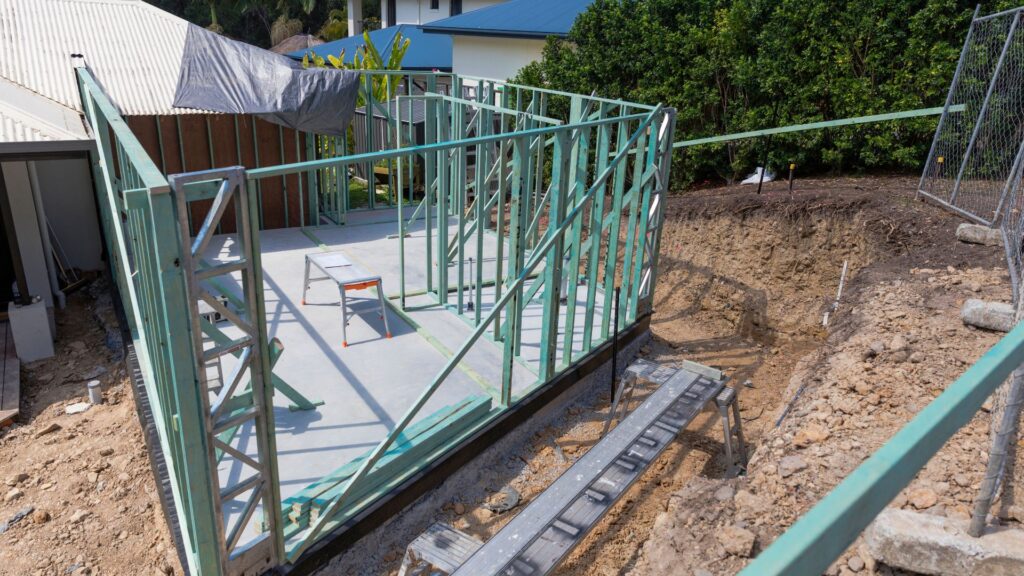
Once the foundation sets, framing begins. This stage forms the skeleton of your new space. Walls, floors, and roof structures are assembled to define the layout of the extension.
Timber framing is common in Christchurch due to its strength and flexibility. During this stage, it’s important to check measurements, window placements, and openings to avoid costly adjustments later.
Roofing And Cladding
After framing, builders move on to the roof and exterior cladding. The roofing material — whether tile, metal, or asphalt — protects your home from the elements. Cladding, such as brick, timber, or weatherboard, gives your extension its visual appeal and insulation.
Choosing quality materials ensures better weather resistance, especially in Christchurch’s windy and sometimes wet climate. This phase also includes installing insulation, windows, and doors to make the structure watertight.
Interior Finishes
With the exterior complete, attention turns to the inside. This includes plumbing, wiring, insulation, and internal walls. Once these are in place, plastering, painting, flooring, and cabinetry follow.
Interior finishes are where your personal style comes to life. This stage transforms the structure into a comfortable, livable space that reflects your preferences and lifestyle.
Stay Involved And Communicate
Keep communication open with your builders throughout the construction process. Regular updates help you stay aware of progress, upcoming decisions, and any challenges that may arise.
Schedule regular site check-ins to discuss timelines, inspect workmanship, and address any issues early. Also, make milestone payments only after specific stages are completed and approved — this keeps both parties accountable and ensures steady progress.
Starting construction is where your vision becomes reality. By understanding each phase and maintaining clear communication with your team, you’ll enjoy a smoother, more rewarding building experience. Soon enough, you’ll be standing inside your new Christchurch home extension — proud of the space you’ve created from the ground up.
Ready to turn your Christchurch home extension idea into reality? Visit our website today to get expert guidance, connect with trusted local builders, and start planning your dream space with confidence.
FAQs: About First Steps To Building An Extension In Christchurch
What are the first steps to building an extension in Christchurch?
Start by defining your goals, researching local council rules, setting a budget, and finding licensed builders who understand Christchurch regulations.
Do I need building consent for a home extension in Christchurch?
Yes, most extensions require building consent from the Christchurch City Council to ensure safety, design compliance, and structural soundness.
How much does it cost to build a home extension in Christchurch?
Costs vary based on size, materials, and design complexity, but most homeowners spend between $2,500 and $4,000 per square meter.
How long does the building consent process take?
The building consent process usually takes 20–30 working days, depending on the project’s complexity and council workload.
Can I design my own home extension?
You can sketch ideas yourself, but hiring an architect or designer helps ensure your plans meet council standards and maximize your space effectively.
What professionals should I hire for a Christchurch home extension?
You’ll need an architect or designer, a structural engineer, and a licensed builder. A project manager can also help oversee the build.
How do I choose the right builder in Christchurch?
Check credentials on the Licensed Building Practitioner (LBP) register, read client reviews, ask for local references, and compare detailed quotes.
Can I live at home while the extension is being built?
Yes, for smaller projects it’s possible, but large or structural builds may require you to move out temporarily for safety and convenience.
What are common mistakes to avoid when planning an extension?
Rushing the design phase, skipping consent checks, underestimating costs, and hiring unqualified builders often cause major delays and expenses.
How can I make sure my extension adds property value?
Focus on functionality, energy efficiency, and design consistency with your existing home. A well-planned extension always boosts long-term value.
Conclusion
Building an extension in Christchurch is completely manageable when you plan each step with care and the right guidance. From securing council approvals to choosing skilled local builders, every decision you make shapes the success of your project. Take time to consult a qualified architect or builder who understands Christchurch’s building requirements and can bring your ideas to life. If you’re ready to start, download our free planning checklist or contact us today for accurate quotes and expert advice tailored to your home. With thoughtful planning and professional support, your new extension will not only create more living space but also add lasting comfort and value to your property—making your Christchurch home everything you’ve envisioned and more.