Welcome to our guide on whether a new build property is a good investment in NZ. Buying an investment property is a major financial decision, and choosing between a new build and an existing home requires more than looking at the purchase price. Rental demand, location, ongoing costs, financing, maintenance, and potential returns can all affect whether the numbers work for you. This guide explains the benefits and risks of investing in a new build in New Zealand, what to check before buying, and how to assess the property based on your investment goals.
A new build property can be a good investment in NZ if the purchase price, rental income, location, financing, and ongoing costs support your goals. New builds may offer lower early maintenance and modern features, but investors should compare rental yield, cash flow, local demand, and potential risks before buying.
Table of Contents
What Is Considered A New Build Property In New Zealand?
A new-build property in New Zealand generally refers to a recently constructed home that has not previously been occupied, although the exact meaning can depend on the context. For property investors, understanding what qualifies as a new build matters because the term can have different meanings under lending, tax, and regulatory rules. It also helps buyers compare properties based on construction stage, settlement terms, and potential investment risks.
Completed New-Build Homes
A completed new-build home is already constructed when you purchase it. This gives you the opportunity to inspect the finished property, review its layout and specifications, and understand what you are buying before settlement.
For an investor, a completed property can also make it easier to research realistic rental income because you can compare the finished home with similar rental properties in the area. There is usually less uncertainty around construction timing than there is with a property purchased before completion.
Turnkey New-Build Properties
A turnkey property is typically sold at an agreed price and delivered as a completed home that is ready for occupation. Depending on the contract, the purchase package may include items such as flooring, appliances, landscaping, and other finishing work.
Investors should still check exactly what the purchase price covers. Two developments advertised as turnkey may include different specifications.
Important details to review include:
- Purchase inclusions: Confirm whether landscaping, fencing, flooring, appliances, heating, window coverings, and other finishing items are included.
- Payment terms: Understand when deposits and other payments are required and what conditions apply before settlement.
- Completion requirements: Check what must be completed before you are required to settle.
- Defect process: Find out how construction defects are reported and addressed after completion.
Having a New Zealand property lawyer review the agreement before you sign can help you understand obligations that may not be obvious from the marketing material.
Properties Bought Off the Plans
Buying off the plans means agreeing to purchase a property before construction has been completed. In some cases, construction may not have started when the sale and purchase agreement is signed.
This approach gives investors access to upcoming developments, but it also creates risks that do not apply in the same way to completed homes. The final property may be months or years away from settlement, so buyers need to consider construction delays, specification changes, contract conditions, financing, and possible changes in the property market.
Pay particular attention to:
- Sunset clauses: Understand when either party may have the right to cancel the agreement if the development is not completed within the specified period.
- Specification changes: Check how much flexibility the developer has to change materials, layouts, fixtures, or other features.
- Settlement timing: Make sure you understand how settlement is triggered and how much notice you may receive.
- Finance conditions: Consider whether your finance approval will remain suitable if completion is a long way off.
- Developer history: Research previous developments, construction quality, completion records, and the parties responsible for delivering the project.
Independent legal advice is especially useful with an off-the-plan purchase because the agreement may contain development-specific conditions.
Why the Definition of a New Build Matters
The everyday meaning of a new build is not always the same as the definition used for a particular New Zealand property rule. Government policies, lending requirements, and tax rules can use specific criteria, dates, or exemptions.
This distinction can affect an investor’s financial calculations. A property being marketed as “brand new” does not automatically mean it receives a particular tax, lending, or regulatory treatment.
Rules can also change. For this reason, investors should check the current requirements that apply at the time they are making their decision. Depending on the issue, this may involve reviewing guidance from Inland Revenue, the Reserve Bank of New Zealand, the relevant local council, or another responsible government body. A property lawyer, accountant, mortgage adviser, or other qualified professional can help explain how current rules apply to a specific purchase.
Understanding exactly what type of new-build property you are buying gives you a stronger basis for comparing costs, contracts, rental potential, and risk. Focus on the property’s actual status and purchase terms rather than relying only on the way it is described in sales material.
Why Do Property Investors Consider New Builds?
New-build property can appeal to New Zealand investors who want modern housing, more predictable early ownership costs, and fewer immediate repairs. Those benefits can make a new build easier to manage, but they do not make it a good investment by default. Purchase price, rental demand, financing, tax treatment, and long-term holding costs still need to support the investment.
Lower Maintenance Costs in the Early Years
One of the main attractions of a new-build investment property is that most of its major components start their working life at the same time. A new roof, plumbing system, electrical wiring, appliances, flooring, and fixtures are generally less likely to need age-related replacement in the first few years than those in an older property.
This can reduce the risk of facing several large repair bills soon after settlement. An established property, for example, might appear cheaper to buy but require roof repairs, new appliances, electrical work, or plumbing upgrades shortly afterwards. These costs can quickly change the investment numbers.
New builds may also come with building, product, or appliance warranties. Investors should read the terms rather than assuming every defect or repair will be covered. Warranty periods, exclusions, claim procedures, and the party responsible for fixing a problem can differ.
New does not mean maintenance-free either. Investors still need to budget for routine work such as cleaning gutters, maintaining heating and ventilation systems, fixing minor damage, servicing appliances, and addressing wear caused by normal tenancy.
Modern Homes Can Appeal to Renters
A well-designed new build can offer features that many renters value. Modern insulation, heating, ventilation, double-glazed windows, practical storage, and up-to-date kitchens and bathrooms can make a home more comfortable and easier to live in.
Layout matters too. A three-bedroom townhouse with good storage, off-street parking, and useful living space may suit families or working professionals better than a property with the same bedroom count but a poor floor plan.
Investors should still avoid assuming that “new” automatically means strong tenant demand. Renters usually consider several factors at once, including:
- Location: Access to employment, schools, shops, public transport, and daily services can have a major influence on demand.
- Weekly rent: A modern property may struggle to attract tenants if its asking rent sits well above comparable homes nearby.
- Property design: Bedroom size, sunlight, storage, parking, privacy, and outdoor space can affect how practical the home feels.
- Local supply: A large development releasing many similar rental properties at once can create more competition between landlords.
Check recent comparable rental listings and local rental conditions before relying on a developer’s projected rent. A realistic rental assessment is more useful than assuming tenants will pay a premium simply because the property is new.
New Builds May Be Easier to Budget For
Property investors need to plan for more than the mortgage payment. Rates, insurance, property management, maintenance, vacancies, and unexpected repairs all affect cash flow.
A new build may make some of these costs more predictable during the early ownership period because major building components are less likely to need age-related replacement. That can be useful for investors who want to reduce the uncertainty associated with renovating or maintaining an older home.
It is still important to maintain a financial buffer.
A new appliance can fail. A tenant can cause damage. The property may sit vacant between tenancies. Insurance premiums and rates can increase. Body-corporate or residents’-association fees may also apply to some developments.
Rather than assuming repair costs will be zero, include realistic maintenance and vacancy allowances when calculating expected cash flow. This provides a more useful picture of how the investment could perform when things do not go exactly as planned.
Potential Financing and Tax Considerations
Financing can influence whether a new-build property works as an investment, but New Zealand lending rules need to be checked at the time of purchase.
As of September 2026, Reserve Bank loan-to-value ratio rules allow banks to make up to 10% of new investor lending above a 70% LVR. Debt-to-income restrictions also apply to residential lending. The Reserve Bank maintained these settings in its August 2026 review.
There is an important distinction for some new builds. Current Reserve Bank rules provide an LVR exemption for construction loans, including certain purchases of newly built homes from a developer within six months of completion. That does not guarantee that an investor will qualify for a smaller deposit because individual banks still apply their own lending criteria and affordability assessments.
Tax rules also affect the real return from a rental property and can change over time. Rather than buying a new building because of an assumed tax advantage, investors should check the rules that apply to the property, ownership structure, purchase date, and intended use.
Before committing to a purchase, check the latest information from the Reserve Bank of New Zealand and Inland Revenue. Your lender or mortgage adviser can explain current borrowing requirements, while a qualified accountant or tax adviser can assess how current tax rules apply to your circumstances.
A new build can offer lower early maintenance demands, modern features, and more predictable costs, but those advantages should form only part of the investment decision. Compare the property’s realistic rent, total expenses, financing, local demand, and purchase price before deciding whether the numbers make sense for you.
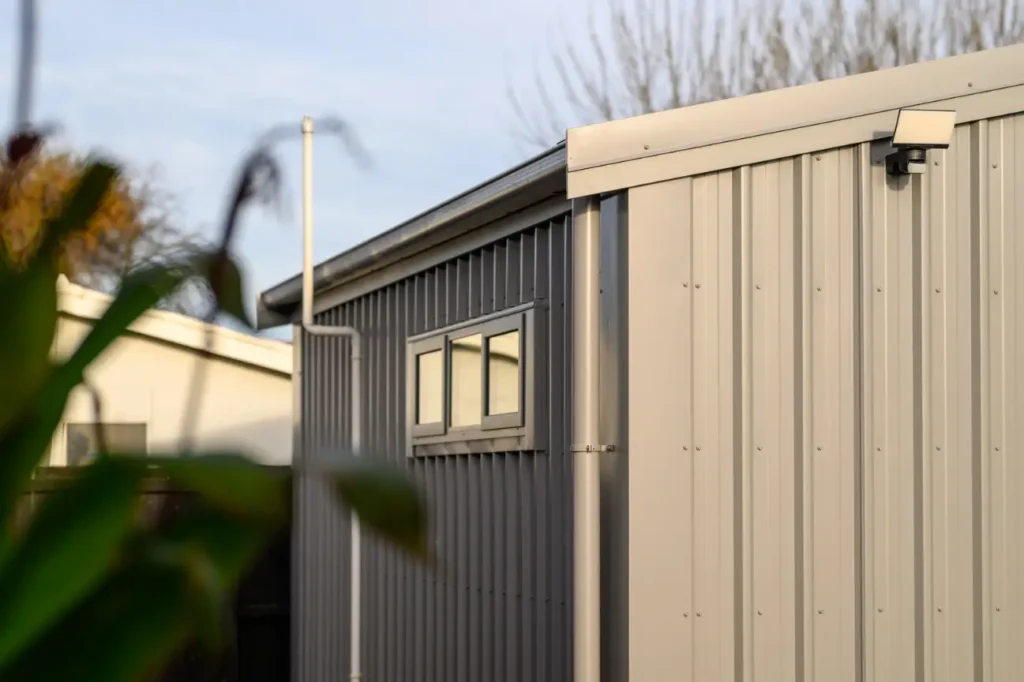
What Are the Risks Of Investing In A New Build?
A new-build property can offer lower early maintenance and modern features, but those benefits do not automatically make it a strong investment. The purchase price, rental demand, development size, contract terms, and local property market can all affect your returns. Before investing in a new build in NZ, look beyond the presentation material and assess the property using realistic financial and market data.
Paying a New-Build Premium
New homes can sell for more than comparable established properties because you are paying for new construction, modern specifications, unused fixtures, and the convenience of buying a property that may need little immediate work. Developer costs and marketing expenses can also form part of the final sale price.
Paying more is not necessarily a problem if the property’s rental income, location, quality, and long-term prospects justify the difference. The risk arises when the new-build premium pushes the purchase price well above comparable properties without providing enough extra value.
Before deciding whether the asking price is reasonable, compare:
- Price per square metre: Compare the new build with similar recently sold properties, while accounting for differences in construction quality, layout, parking, and other features.
- Land component: Check how much land comes with the property and whether it is freehold, unit title, cross-lease, or another ownership structure.
- Location quality: Compare access to employment areas, public transport, schools, shops, services, and other features that may influence tenant and buyer demand.
- Property specifications: Look closely at construction materials, heating, insulation, appliances, storage, parking, outdoor areas, and the standard of the fixtures and finishes.
- Comparable sales: Review recent sales of similar new and established properties nearby rather than relying only on the developer’s asking prices.
Overpaying can make it harder to achieve a competitive rental yield because your purchase cost is higher from the start. It can also affect your resale position if similar properties later sell for less than you paid. Capital growth may eventually offset a premium, but investors should never assume future price increases will correct an expensive purchase.
Buying Off the Plans Adds Extra Risk
Buying off the plans means agreeing to purchase a property before construction is complete. This can give you access to a new development at an early stage, but it also introduces risks that do not apply in the same way when buying a completed property.
Construction schedules can change because of weather, material shortages, consenting issues, contractor availability, or other building delays. A delayed completion date may affect your financing, settlement plans, expected rental income, or the timing of another property transaction.
The developer and builder also deserve careful research. Look at previous developments, construction quality, delivery history, company information, and any warranties that apply. A well-presented display suite does not tell you how the developer has handled previous projects.
The sale-and-purchase agreement also requires close attention. Depending on the development, it may contain clauses dealing with specification changes, settlement dates, sunset provisions, title, defects, floor-area variations, and what happens when construction takes longer than expected.
There can also be a gap between what you picture when viewing plans and what you receive. Room proportions, views, natural light, finishes, landscaping, surrounding buildings, and shared spaces can feel different once the development is complete.
Independent legal advice is particularly important before signing an off-the-plan agreement. A New Zealand property lawyer can explain the contract, identify clauses that may affect you, and help you understand your obligations before the agreement becomes binding.
Rental Income May Not Match the Marketing Forecast
Rental projections can make a new-build investment look attractive, but projected rent is not the same as proven rental income. Developers or sales material may use estimates based on expected market conditions rather than signed tenancy agreements.
Check those figures against current evidence from comparable properties in the same area. A useful comparison should involve homes with similar bedrooms, bathrooms, parking, floor area, condition, and location.
Look beyond the weekly-rent figure as well.
- Recent listings: Check what comparable properties are currently being advertised for and whether asking rents appear consistent across several listings.
- Rental competition: Look at how many similar townhouses or apartments are available nearby, particularly within the same development.
- Vacancy risk: Consider how long a property could remain empty between tenants and include this possibility in your cash-flow calculations.
- Property differences: Parking, sunlight, outdoor space, storage, views, floor level, heating, and furnishings can cause two otherwise similar properties to achieve different rents.
Where possible, seek an independent rental appraisal rather than relying solely on information supplied as part of the property sale. Use a conservative rental figure when calculating yield and cash flow so the investment does not depend on achieving the highest possible rent.
New Developments Can Have Heavy Competition
Large developments can create an unusual supply problem. If dozens of similar apartments or townhouses are completed at around the same time, multiple owners may begin looking for tenants at once.
Tenants then have more choice.
If several nearly identical two-bedroom townhouses are available within the same development, landlords may need to compete on rent, presentation, parking, appliances, or move-in dates. Some owners may reduce their asking rent to secure a tenant sooner, which can place pressure on comparable rental prices.
The same issue can appear when you decide to sell. Buyers comparing several similar properties have more negotiating power, particularly when multiple owners want to sell at the same time.
Before purchasing, investigate the wider development rather than assessing only your individual property. Find out how many homes are planned, how many construction stages remain, what types of properties are being built, and whether nearby developments could add more competing stock.
A large development is not automatically a poor investment. Strong local demand may absorb new supply. The important question is whether expected tenant and buyer demand can support the number of properties entering the market.
Smaller Land Holdings Can Affect the Investment Case
Many new-build properties in New Zealand are apartments, townhouses, or other higher-density homes. These properties can provide modern housing in desirable areas, but they often come with less individual land than older detached houses.
Land size should form part of your assessment, but it should not become a simple rule that more land always means a better investment. A well-located townhouse close to transport, employment, shops, and services may attract stronger tenant demand than a larger property in a location with fewer amenities.
Higher-density properties can also involve costs and restrictions that need to be included in your calculations.
- Body-corporate costs: Unit-title properties may have regular levies covering shared areas, building insurance, maintenance, and other common expenses.
- Residents-association fees: Some developments have ongoing charges for shared facilities, private roads, landscaping, or communal spaces.
- Limited improvement options: Apartments and some townhouses may offer fewer opportunities to extend, redevelop, or make substantial exterior changes.
- Tenant demand: Smaller, low-maintenance homes can suit renters who value location and convenience more than a large section.
- Resale competition: A property may face more competition if many similar homes exist within the same development or neighbourhood.
Assess land alongside the purchase price, rental yield, cash flow, ownership costs, local housing supply, and long-term demand. No single feature determines whether a new-build property is a good investment in NZ.
Understanding these risks does not mean you should avoid new builds. It means you should test the investment using independent evidence rather than relying on the fact that the property is new. Compare the price, rent, ongoing costs, contract terms, local supply, and property features carefully to decide whether the numbers support your investment goals.
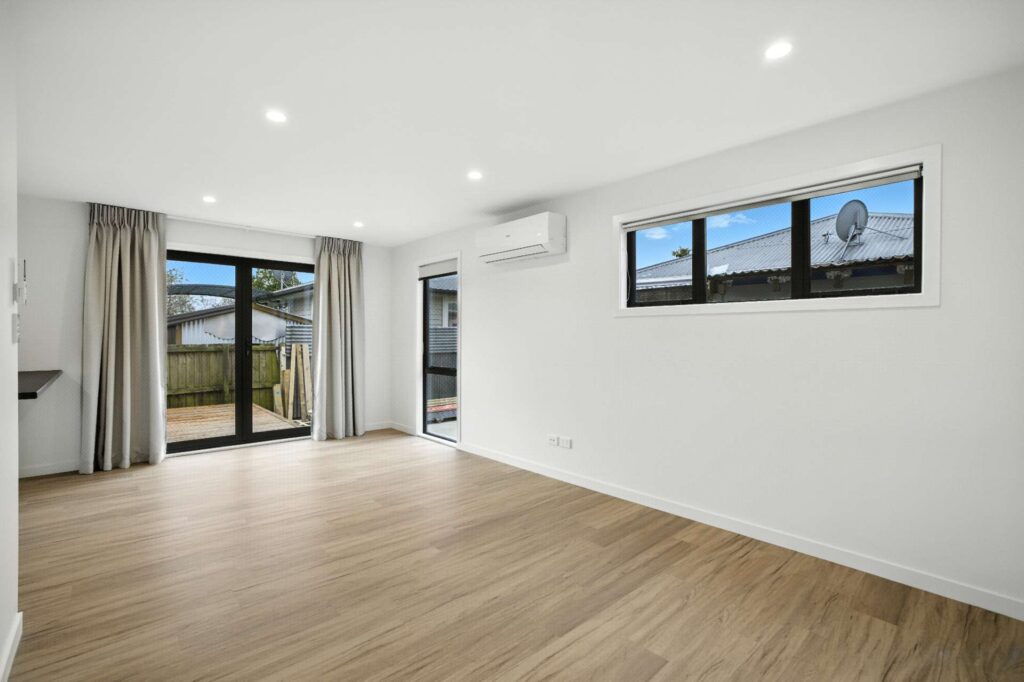
New Build Vs Existing Property: Which Is Better For Investors?
Choosing between a new-build property and an existing property in New Zealand comes down to more than age or appearance. Both can work as investment properties, but the better choice depends on the price you pay, achievable rent, ongoing costs, location, and how much work you want to take on. Comparing the numbers on the same basis can help you see which property better suits your investment goals.
Purchase Price
New-build properties can carry a price premium because you are buying a newly completed home with modern materials, current specifications, and little or no previous wear. That premium is not automatically a problem, but you need to check whether the asking price makes sense compared with similar properties nearby.
Look at recent sales of both new and established homes rather than relying only on the developer’s asking price. Consider differences in floor area, land size, parking, location, construction quality, and included features when making the comparison.
An existing property may offer more scope to create value. A well-priced home that needs practical improvements could allow an investor to improve its rental appeal or overall condition over time. Painting, flooring, heating, landscaping, or a well-planned kitchen upgrade may make a property more attractive to tenants, but renovation costs need to be included in the investment calculation.
The key question is not simply which property costs less. Ask what you are receiving for the total amount invested and whether the property can produce a return that makes sense for your goals.
Rental Yield
Gross rental yield is a simple way to compare the rental income of different investment properties. It shows the annual rent as a percentage of the property’s purchase price.
For example, if a property costs $700,000 and earns $650 per week, the annual rent is $33,800. Dividing $33,800 by $700,000 and multiplying by 100 gives a gross rental yield of about 4.83%.
This calculation becomes useful when comparing a new build with an existing home. A new property may achieve higher weekly rent, but a higher purchase price can reduce its yield. An established property may rent for slightly less but produce a similar or better gross yield if its purchase price is lower.
Don’t base the calculation on an optimistic rental estimate. Check comparable local rentals and consider the property’s size, condition, parking, location, and features. Gross yield also excludes expenses such as mortgage interest, rates, insurance, property-management fees, maintenance, and vacancy periods, so it should be treated as a starting point rather than a measure of actual profit.
Maintenance and Renovation Costs
One attraction of a new-build investment property is the potential for lower maintenance costs during the early years of ownership. New roofing, plumbing, electrical systems, appliances, fixtures, and finishes are less likely to need immediate replacement than ageing components in an older property.
That does not make a new build maintenance-free. Defects can still occur, and owners remain responsible for routine upkeep and costs that fall outside applicable warranties.
Established properties require closer attention to condition. An older home might appear affordable at purchase but require significant work after settlement. Depending on its age and condition, costs could include:
- Roofing: An aging roof may require repairs or eventual replacement.
- Plumbing: Older pipes, hot-water systems, or fittings can create unexpected expenses.
- Electrical work: Older wiring or switchboards may need professional assessment or upgrading.
- Moisture and drainage: Poor drainage, leaks, or moisture problems can become expensive if they are not identified early.
- Renovations: Kitchens, bathrooms, flooring, heating, and other dated features may need work to meet tenant expectations or the investor’s plans.
A pre-purchase building inspection can help identify visible defects and maintenance concerns before buying an established property. It does not remove every risk, but it can provide better information for budgeting and deciding whether the purchase price reflects the property’s condition.
Capital Growth Potential
A new build does not automatically have stronger capital-growth potential simply because it is new. Property values are influenced by a much wider set of factors, and investors should be cautious about claims that suggest a particular development is guaranteed to rise in value.
Location remains an important consideration. Areas with access to employment, transport, schools, shops, and services may attract sustained buyer and tenant demand. Planned infrastructure can also influence an area’s appeal, although proposed projects should not be treated as guaranteed drivers of future property values.
Housing supply matters as well. If a development contains many similar townhouses or apartments, investors may face competition from comparable properties when renting or selling. In locations where developable land is limited and housing demand remains strong, scarcity may influence buyer behaviour differently.
Purchase price is just as important. Even a property in a sought-after area can be a poor investment if the buyer pays substantially more than comparable properties justify.
Rather than trying to predict future house prices, assess the factors that can support long-term demand:
- Location: Consider access to employment, transport, schools, shops, and everyday services.
- Land supply: Look at how easily similar housing can be developed nearby.
- Infrastructure: Research confirmed transport, public-service, and development projects rather than relying on marketing claims.
- Employment: Areas with access to established and growing employment centres may support housing demand.
- Population demand: Consider whether people have practical reasons to live in the area.
- Housing supply: Check existing listings and planned developments that could increase rental or resale competition.
- Purchase price: Compare recent sales to determine whether you are paying a reasonable price for the property and location.
No single factor can guarantee capital growth. Looking at them together gives you a stronger basis for assessing the long-term investment case.
Investor Effort and Risk
The amount of work you want to put into an investment property can help determine whether a new build or an existing home is more suitable.
A new-build property may appeal to investors who want a more hands-off investment during the early ownership period. There may be less immediate renovation work, and modern construction can make maintenance requirements more predictable. This can suit investors who have limited time or do not want to manage renovation projects.
An existing property can offer different opportunities. Investors with renovation experience, available capital, and time to manage contractors may be able to improve a property’s condition, rental appeal, or functionality. The trade-off is greater uncertainty around costs, timelines, and unexpected repairs.
Your decision should reflect your circumstances rather than a general rule. Consider your available budget, renovation skills, time, cash reserves, financing, and tolerance for unexpected costs. An investment that works well for an experienced renovator may be unsuitable for someone seeking a low-involvement property.
Neither new builds nor existing properties are automatically the better investment. Compare the purchase price, realistic rental income, ownership costs, property condition, location, and amount of work involved. The stronger option is the one whose numbers and risks fit your financial position and long-term investment plan.
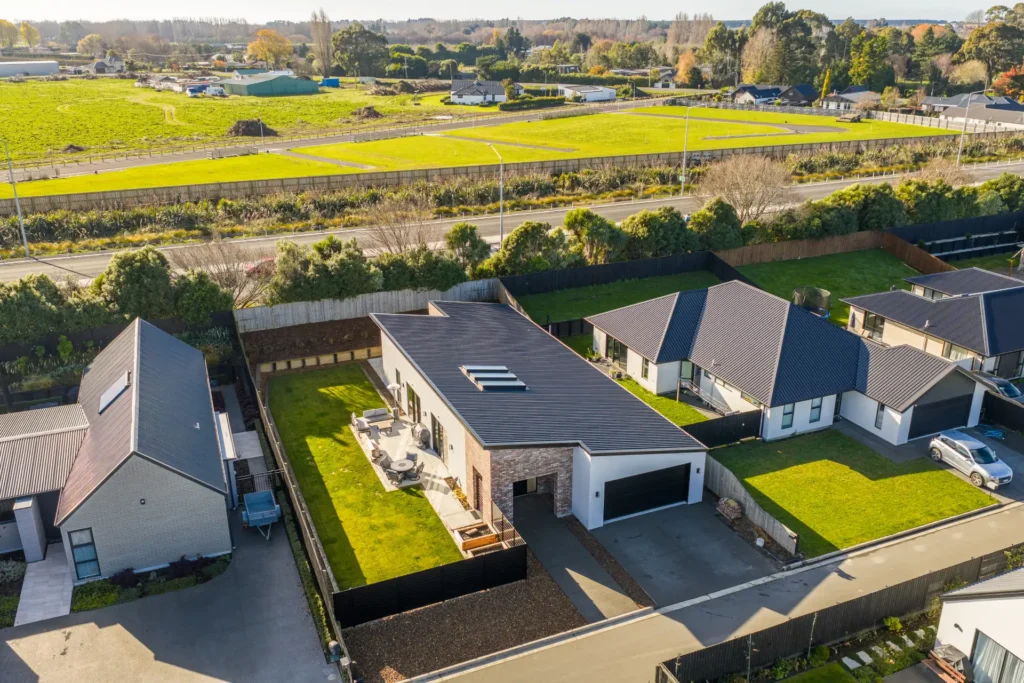
How To Work Out If A New Build Is A Good Investment
A new-build property can look appealing on paper, but its age and condition do not tell you whether it will be a good investment. You need to look closely at the rental income, purchase price, ownership costs, financing, and likely cash flow. Running these numbers before buying helps you compare different properties on the same basis and see whether the investment fits your financial goals.
Calculate the Rental Yield
Rental yield gives you a quick way to compare the income potential of a new-build investment property against its purchase price. Start with the expected market rent rather than relying only on a rental estimate supplied by the developer or salesperson. Checking comparable rentals in the same area can give you a more realistic figure.
The basic gross rental yield formula is:
Annual rent ÷ purchase price × 100
For example, suppose you buy a new-build property for $700,000 and expect to receive $700 per week in rent. The annual rent would be $36,400. Dividing $36,400 by $700,000 and multiplying by 100 gives a gross rental yield of 5.2%.
Gross rental yield is useful for an initial comparison, but it does not show your actual profit. It does not account for mortgage interest, rates, insurance, property-management fees, maintenance, vacancies, or other ownership expenses. Two properties with the same gross yield can produce very different cash-flow results once these costs are included.
Estimate the Real Holding Costs
A common mistake when assessing a new-build investment is focusing on the purchase price and expected rent while underestimating the cost of keeping the property. New homes may have lower early maintenance needs than some older properties, but they still come with regular and unexpected expenses.
Build a realistic annual budget that accounts for the main holding costs:
- Mortgage interest: Calculate the interest you expect to pay based on your loan amount and current lending terms. Consider how repayments could change if interest rates move.
- Council rates: Include the property’s expected annual rates. Check current information from the relevant local council rather than relying on an old estimate.
- Insurance: Obtain a realistic insurance quote for the property and level of cover you need. Premiums can vary based on the property, location, construction, and insurer.
- Property management: If you plan to use a property manager, include management fees and any other charges that apply to the service.
- Body corporate or residents’ association fees: Apartments, townhouses, and some developments can have ongoing shared-property or association costs. Review what these fees cover and whether other charges may apply.
- Maintenance: A new build can still require repairs and routine upkeep. Set aside money for maintenance instead of assuming the property will remain cost-free because it is new.
- Vacancy: Allow for periods when the property may not have a tenant. Even a few vacant weeks can reduce your annual rental income.
- Accounting and professional fees: Include relevant accounting, legal, financial-advice, and other professional costs associated with owning or managing the investment.
Once these expenses are added together, you will have a clearer picture of what the property costs to hold each year. This gives you a more useful basis for comparing a new build with other investment options.
Calculate Cash Flow Under Different Scenarios
Cash flow shows whether the property’s rental income is likely to cover its ongoing expenses. Instead of relying on the advertised rent or a best-case forecast, calculate the result using realistic income and cost estimates.
Start by comparing your expected annual rental income with mortgage costs, rates, insurance, property management, maintenance, vacancy allowances, and other relevant expenses. This will show whether the property is likely to produce positive cash flow or require you to contribute additional money.
Do not stop with one calculation. Test several scenarios to see how the investment could perform if conditions change:
- Higher interest costs: Calculate how your cash flow would change if mortgage costs increased. This can show whether you have enough financial room to manage higher repayments.
- Lower rental income: Test the numbers using rent below your preferred estimate. Local rental conditions can change, and you may need to adjust the asking rent to secure a suitable tenant.
- Longer vacancy: Calculate the effect of losing several weeks of rent. This is particularly useful when buying in a development where several similar rental properties may enter the market at once.
- Higher ownership costs: Allow for increases in rates, insurance, management fees, and maintenance rather than assuming today’s costs will remain unchanged.
Using conservative assumptions can give you a clearer view of the investment’s financial resilience. If the numbers only work when rent is at the top of the local market, the property stays occupied all year, and costs never increase, the investment may leave little room for unexpected changes.
Working out whether a new build is a good investment requires more than looking at its expected rent or potential future value. Calculate the rental yield, account for the full cost of ownership, and test the cash flow under less favourable conditions. This gives you a stronger basis for deciding whether the property suits your budget, risk tolerance, and long-term investment plans.
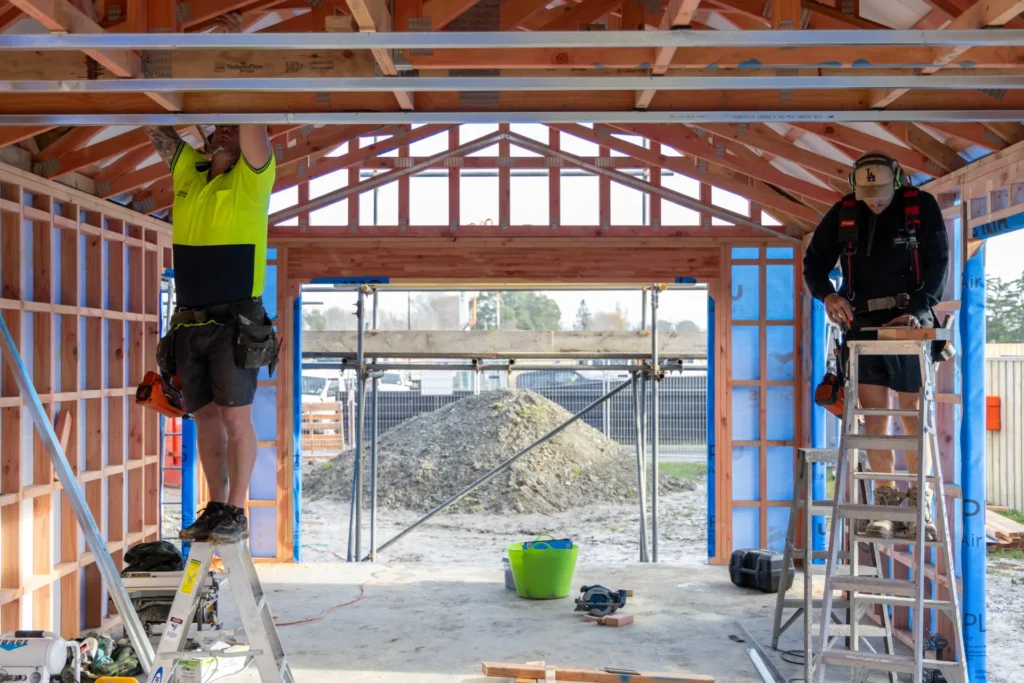
What Should You Check Before Buying A New Build In NZ?
Buying a new-build property in New Zealand requires more than choosing a development that looks appealing or accepting the figures in a sales brochure. Before committing, investigate who is building the property, understand the sale-and-purchase contract, test the investment numbers yourself, and check the rules that apply to property investors. Careful due diligence can reveal costs and risks that are easy to overlook before signing.
Research the Developer and Builder
The developer and builder can have a major effect on the quality of the finished property and your buying experience. A polished display home or marketing package does not tell you how previous developments performed, so look beyond the sales material.
- Previous developments: Find completed projects from the same developer and builder. Look at how those properties have aged, whether the finished developments match their original specifications, and whether owners have reported recurring problems.
- Track record: Check how long the developer and builder have operated, the types of projects they normally complete, and whether they have experience with developments similar to the one you are considering. A long history alone does not prove quality, but completed projects give you more evidence to assess.
- Build quality: Review the proposed materials, fixtures, insulation, heating, ventilation, appliances, and finishes rather than judging quality from rendered images. Where possible, inspect a completed property from the same builder and have an appropriately qualified professional assess the property before settlement.
- Registrations and credentials: Verify any licences, memberships, registrations, or professional credentials the builder or developer claims to hold. Check them through the relevant New Zealand register or professional body rather than relying solely on marketing material.
- Warranty arrangements: Establish which building, product, and workmanship warranties apply, who provides them, when they begin, and what they exclude. Also find out what happens if defects appear after settlement and who is responsible for resolving them.
- Financial and legal checks: Off-the-plan purchases can expose buyers to developer, construction, financing, and completion risks. Your lawyer can review the ownership structure, title, easements, covenants, deposit arrangements, and other legal matters relevant to the development.
The aim is not simply to find a developer with a good-looking portfolio. You want enough independent evidence to feel comfortable with the people responsible for delivering the property.
Review the Contract Carefully
A new-build contract can contain conditions that differ from those in a standard existing-property purchase. Have an independent New Zealand property lawyer review the agreement before you sign it, particularly when buying off the plans.
- Deposit requirements: Confirm the amount required, when it must be paid, where the deposit will be held, and the circumstances under which it may be released or refunded.
- Settlement conditions: Understand what triggers settlement and how much notice you will receive. Your finance needs to be ready when settlement becomes due, even if construction takes longer than originally expected.
- Sunset clauses: Check any clause allowing the buyer or developer to cancel the agreement if the project is not completed by a specified date. Your lawyer can explain who can exercise the clause and what it could mean for your deposit and purchase.
- Specification changes: Off-the-plan contracts may allow certain materials, fixtures, layouts, or finishes to be substituted. Check how much flexibility the developer has and whether you have any rights if a proposed change is significant.
- Construction delays: Find out what the contract says about delays caused by weather, materials, consenting, contractors, or other events. A delayed completion can affect loan approvals, moving plans, and the date from which you expect to earn rent.
- Defect process: Understand how defects are identified and reported before and after settlement. Check the timeframes for raising problems and who is responsible for putting them right.
- Purchase-price inclusions: Confirm exactly what your money buys. Check appliances, flooring, window coverings, heating, landscaping, fencing, parking, storage, rubbish areas, and other features that could otherwise become an extra cost.
Never assume a verbal promise from a salesperson forms part of the agreement. If a feature or commitment matters to your decision, ask your lawyer whether it needs to be recorded in the contract.
Check the Property Numbers Independently
A new-build investment should work based on realistic numbers, not the best-case figures used to market it. Test the expected rent, purchase price, expenses, and cash flow independently before deciding whether the property suits your investment strategy.
- Rental evidence: Compare the proposed rent with recently advertised and, where available, recently achieved rents for similar properties nearby. Match properties by location, bedroom count, parking, floor area, condition, and features rather than using an area-wide average.
- Comparable sales: Look at recent sales of similar new and established properties in the neighbourhood. This can help you judge whether you are paying a substantial new-build premium and whether the asking price is supported by the local market.
- Rental yield: Calculate the expected gross yield using realistic annual rent divided by the total purchase price. Then go further and assess cash flow because gross yield does not account for ownership expenses.
- Ongoing costs: Allow for mortgage interest, council rates, insurance, property management, maintenance, accounting costs, vacancies, and body-corporate or residents’ association fees where applicable. New properties may need less early maintenance, but they still carry ongoing costs.
- Stress testing: Recalculate your cash flow using less favourable assumptions. What happens if the property is vacant for several weeks, rent is lower than expected, insurance increases, or your borrowing costs change? A deal that only works under ideal conditions leaves little room for unexpected costs.
Treat rental appraisals and investment projections supplied by a developer or salesperson as one source of information, not your final evidence. Independent research gives you a stronger basis for deciding whether the new-build property makes financial sense.
Confirm Current NZ Property Rules
New Zealand’s property-investment rules can change, so older articles, videos, and sales material may no longer reflect the current position. Check official information close to the time you purchase and seek qualified advice where your financial or legal position requires it.
- Lending requirements: Talk directly with your lender or mortgage adviser about current deposit, servicing, income, and lending criteria. Approval for one property does not guarantee approval for another, especially if your financial circumstances or the property’s characteristics differ.
- Loan-to-value requirements: Check the current Reserve Bank rules and your lender’s own requirements rather than assuming new builds receive the same treatment as other investment properties. Lending policies and regulatory settings can change over time.
- Tax treatment: Understand how rental income, deductible expenses, property sales, and other tax rules could apply to you. Inland Revenue states that from 1 April 2025, eligible residential rental-property borrowers can claim 100% of interest, subject to the general deductibility rules and their individual circumstances.
- Interest deductibility: Do not buy a new build solely because you have heard it receives a particular tax advantage. Tax rules have changed several times, so check the current Inland Revenue guidance or speak with a qualified New Zealand tax adviser before relying on a tax benefit.
- Healthy-homes requirements: If you intend to rent the property, confirm that it meets the applicable standards for heating, insulation, ventilation, moisture ingress and drainage, and draught stopping. All New Zealand rental properties must comply with the healthy-homes standards unless a valid exemption applies.
- Council requirements: Check the property’s building consent, Code Compliance Certificate, title, zoning, resource-consent conditions, and any other council records relevant to the development. Local rules can also affect parking, future development, property use, and planned changes around the site.
Property rules should form part of your pre-purchase checks rather than something you investigate after signing. Use current information from Inland Revenue, the Reserve Bank of New Zealand, Tenancy Services, your local council, and qualified legal, tax, and lending professionals when the decision depends on rules that can change.
A new build can offer practical benefits for an NZ property investor, but the fact that a home is new does not make it a sound investment by itself. Research the people behind the project, understand the contract, verify the numbers, and confirm the current rules before committing. These checks give you a clearer view of the property’s real costs, risks, and investment potential.
When Might An Existing Property Be The Better Investment?
A new-build property can offer lower early maintenance and modern features, but that does not automatically make it the better investment. An existing property may offer stronger value when its purchase price, rental income, location, land, or improvement potential produces better investment fundamentals. The key is to compare properties using realistic numbers rather than choosing based on age alone.
When the Investment Numbers Are Stronger
An existing property may make more financial sense when it offers a better relationship between the purchase price, expected rent, and ongoing costs. A lower-priced home that attracts similar rent to a nearby new build could produce a stronger rental yield.
Look beyond the advertised weekly rent and calculate the likely costs of owning the property. Rates, insurance, property-management fees, maintenance, mortgage costs, and expected vacancy periods can all affect cash flow. Older homes may need more maintenance, so include a realistic repair allowance when comparing the numbers.
When You Can Buy Below Comparable New-Build Pricing
New builds can carry a price premium because buyers are paying for new construction, modern fittings, warranties, and a property that has not previously been occupied. An established home may offer better value if you can purchase it for less than comparable new-build properties in the same area.
The comparison needs to be like-for-like. Consider the floor area, section size, number of bedrooms, parking, condition, street, and access to local amenities. A cheaper property is not necessarily better value if it requires substantial repairs shortly after purchase.
When There Is Genuine Renovation Potential
Some existing properties give investors an opportunity to improve both their rental appeal and long-term value. This can include updating an outdated kitchen, improving heating, repainting, replacing worn flooring, improving outdoor areas, or completing other practical upgrades.
The important point is to find improvements that make financial sense rather than renovating simply because the property looks dated.
- Renovation cost: Calculate the full project cost before buying, including materials, labour, professional fees, and a contingency for unexpected work.
- Rental benefit: Consider whether the improvements could support a higher rent or make the property more appealing to suitable tenants.
- Property value: Compare the expected post-renovation value with similar renovated properties in the local market.
- Compliance requirements: Check whether planned work requires building consent, specialist contractors, or other approvals before including it in your investment plan.
A pre-purchase building inspection can also help identify problems that may turn an apparently simple renovation into an expensive project.
When the Property Has Hard-to-Reproduce Features
Established properties sometimes have characteristics that are difficult to find in newer developments. These may include a larger section, mature outdoor space, more parking, wider living areas, or a position in an established neighbourhood.
These features can matter to both tenants and future buyers. For example, a family may value a larger section and off-street parking more than newer appliances or finishes. An established location close to schools, transport, employment, and everyday services may also provide a level of convenience that a developing area has not yet reached.
The value of these features depends on local demand. Investors should check comparable rentals and recent sales rather than assuming a larger section or older location will always command a premium.
When Local Rental Demand Favours Established Homes
Rental demand should be assessed at a local level. In some New Zealand areas, tenants may prefer established homes because they offer more space, parking, larger sections, or easier access to schools and employment.
Pay close attention to the supply of competing rental properties. A large new development can place many similar townhouses or apartments on the rental market at the same time. An established property with different features may face less direct competition.
Review current rental listings, typical asking rents, property-management insights, and the type of homes available nearby. This provides a more realistic picture of demand than relying solely on a developer’s rental estimate.
When Resale Demand Is Stronger
Think about who might buy the property from you in the future. A well-located existing home may appeal to investors, first-home buyers, families, or owner-occupiers, giving the property a broader potential buyer pool.
By comparison, a development containing many near-identical properties can create more direct competition when several owners decide to sell around the same time. Buyers can compare similar properties closely, making price and condition more important.
Review recent comparable sales and the area’s housing supply before buying. Past price growth cannot guarantee future results, but understanding who wants to live in the area and what types of homes they prefer can help you assess long-term resale prospects.
An existing property may be the better investment when the numbers, location, rental demand, improvement potential, and resale prospects are stronger than those of comparable new builds. Compare each opportunity on its own merits and account for both immediate costs and long-term ownership before deciding which property best supports your investment goals.
Common Mistakes New-Build Property Investors Should Avoid
A new-build property can look attractive because it is modern, may need less early maintenance, and can come with features that appeal to tenants. But those benefits do not automatically make it a good investment. Before buying a new-build investment property in NZ, look at the full financial picture, research the development, and test the numbers using realistic assumptions. Avoiding the following mistakes can help you make a more informed property decision.
Buying Because of Tax Treatment Alone
Tax rules can influence the cost of owning an investment property, but they should not be the main reason you buy. New Zealand property-tax rules can change, and a property that only makes sense because of a particular tax treatment may become less attractive if the rules or your circumstances change.
Start with the investment fundamentals. Consider the purchase price, expected rental income, ongoing expenses, location, tenant demand, financing, and long-term goals. For current tax advice, check Inland Revenue guidance and speak with a qualified tax professional about your circumstances.
Assuming a New Property Will Automatically Increase in Value
Being new does not guarantee capital growth. A new-build property’s future value depends on factors such as what you paid, local housing demand, employment, infrastructure, neighbourhood appeal, land characteristics, and the supply of similar homes.
Pay particular attention to large developments where many near-identical properties may enter the market. If several owners try to sell similar homes at the same time, buyers have more choice. Research recent comparable sales and the local housing supply instead of relying on projected capital-growth claims.
Trusting Projected Rent Without Checking Comparable Properties
Developer or sales-agent rental estimates can help with initial planning, but they should not replace independent research. Even a small difference between projected and achievable rent can affect annual cash flow.
Check recently advertised and rented properties with similar bedrooms, floor area, parking, condition, and location. Look at the local vacancy level and the number of similar new-build rentals available. A local property manager can also provide useful rental-market evidence before you commit.
Ignoring Body-Corporate or Association Costs
Apartments, townhouses, and some planned developments can have body-corporate, residents’-association, or shared-property costs. These expenses reduce the income you retain from the property and may change over time.
Before buying, establish exactly what you will be responsible for.
- Regular fees: Check annual or periodic charges and include them in your cash-flow calculations.
- Shared costs: Find out who pays for common areas, private roads, landscaping, insurance, maintenance, and shared facilities.
- Future expenses: Review available budgets, long-term maintenance plans, meeting records, and proposed work where applicable.
- Ownership rules: Understand any restrictions that could affect renting, alterations, pets, parking, or how you use the property.
Failing to Research the Developer
The quality of a new-build investment depends partly on the people responsible for delivering it. A polished display home or marketing brochure tells you little about how a developer handles construction delays, defects, communication, or post-settlement problems.
Research the developer’s previous projects and, where possible, inspect completed developments. Check the builder involved, relevant registrations, warranty arrangements, and available information about past projects. Your lawyer can also help identify contract terms or development issues that deserve closer attention.
Looking Only at Mortgage Repayments
Mortgage payments are only one part of the cost of owning an investment property. Focusing on them alone can make a property appear more affordable than it really is.
Your calculations may also need to account for:
- Rates: Include applicable council rates in your annual ownership budget.
- Insurance: Obtain a realistic estimate based on the property and location.
- Property management: Allow for management and letting costs if you will use a professional manager.
- Maintenance: New properties still require repairs, servicing, and routine upkeep.
- Vacancy: Allow for periods when the property may not produce rental income.
- Shared-property fees: Include body-corporate or residents’-association costs where they apply.
- Professional costs: Budget for relevant legal, accounting, valuation, and other professional services.
Calculate expected cash flow after these expenses. It is also sensible to stress-test the investment against higher costs, lower rent, or a longer-than-expected vacancy period.
Assuming Warranties Cover Every Problem
New-build warranties and legal protections can provide valuable safeguards, but they do not mean every future problem will be fixed at no cost. Coverage, claim periods, exclusions, maintenance obligations, and defect-reporting processes can vary.
Read the warranty documents rather than relying on a salesperson’s summary. Understand who is responsible for making a claim, what evidence is required, and what happens if a defect appears after settlement. Keep contracts, inspection reports, photographs, manuals, and correspondence in case you need them later.
Signing an Off-the-Plan Contract Without Independent Legal Advice
An off-the-plan purchase can involve different risks from buying a completed home because you are agreeing to buy a property that may still be under construction. The contract can contain detailed conditions covering deposits, settlement, completion dates, specification changes, delays, and cancellation rights.
Have an independent New Zealand property lawyer review the agreement before you sign it. Particular areas to understand can include:
- Sunset clauses: Check when either party may be able to cancel the agreement if completion is delayed.
- Specification changes: Understand how much flexibility the contract gives the developer to change materials, layouts, or finishes.
- Settlement conditions: Know what must happen before settlement and how much notice you may receive.
- Defect procedures: Check how defects are identified, reported, and addressed.
- Finance conditions: Make sure the agreement reflects your financing needs and understand the risks if your financial position changes before settlement.
Independent legal advice is especially important because the developer’s salesperson represents the sale, not your legal interests.
Buying Based on Sales Incentives Rather Than Investment Fundamentals
Cashbacks, furniture packages, deposit contributions, upgrades, or other incentives can make a new-build property look more appealing. An incentive has limited value if the underlying property is overpriced or produces weak investment returns.
Compare the property’s price with relevant sales in the surrounding area and calculate its expected rental yield and cash flow without allowing the incentive to drive your decision. Ask yourself whether you would still buy the property at the agreed price if the promotion did not exist.
A sound new-build property investment should make sense based on the property itself, not one temporary benefit. Check the numbers independently, understand the contract, research the developer, and consider how the property could perform under less favourable conditions. Taking this approach can help you judge whether the investment genuinely fits your financial goals.
So, Is A New Build Property A Good Investment In NZ?
A new build property can be a good investment in NZ, but the fact that it is new does not make it a strong investment by itself. The decision should come down to the numbers, the location, the quality of the property, and how well it fits your long-term investment goals. New builds can offer benefits such as lower early-stage maintenance and modern features, but these advantages still need to justify the purchase price and ongoing costs.
Look at the Numbers Before the Age of the Property
Start by assessing a new build in the same way you would assess any other investment property. Work from realistic figures rather than relying only on rental projections, promotional material, or potential future price growth.
Key factors to consider include:
- Purchase price: Compare the asking price with recent sales of similar new and existing properties in the same area. Paying a large new-build premium can make it harder to achieve the rental return you expect.
- Realistic rent: Research comparable rental properties instead of relying solely on the developer’s rental estimate. Look at similar property types, locations, bedrooms, parking, and features to get a more realistic idea of achievable rent.
- Holding costs: Include mortgage costs, council rates, insurance, property-management fees, maintenance, possible body-corporate or residents’-association fees, and periods when the property may be vacant.
- Rental yield: Calculate the expected rental yield and compare it with other properties you could buy for a similar amount. A modern property with a high purchase price can still produce a relatively low yield.
- Cash flow: Consider what remains after rental income and regular expenses are taken into account. Test how the numbers could change if interest costs rise, the property is vacant for several weeks, or the achievable rent is lower than expected.
These calculations provide a more useful picture than simply asking whether new builds are generally good investments.
Consider Location and Rental Demand
A well-built home can still struggle as an investment if there is limited demand in its location. Look beyond the development itself and consider what makes people want to live in the surrounding area.
Access to employment, transport, schools, shops, healthcare, and other everyday services can influence tenant demand. It is also worth checking how many similar properties are being built nearby. If hundreds of comparable townhouses or apartments reach the rental market around the same time, landlords may face more competition for tenants.
The same issue can affect resale. A property may be harder to differentiate when buyers have several nearly identical homes to choose from.
Assess the Quality of the Property and Development
New does not automatically mean problem-free. Build quality, materials, design, layout, developer history, and ongoing ownership costs can vary between developments.
Research the developer and builder before committing. Review previous projects where possible and understand what is included in the purchase price. For an off-the-plan purchase, have an independent property lawyer review the contract, including clauses covering completion dates, specification changes, deposits, settlement, and defects.
This due diligence matters because an investment needs to work as a property first, regardless of how attractive the development looks in sales material.
Compare New and Existing Properties on Equal Terms
Avoid comparing properties based only on age. Instead, put a new build and a suitable existing property through the same assessment.
Compare purchase price, achievable rent, rental yield, estimated cash flow, maintenance requirements, location, local housing supply, property-management costs, and potential resale demand.
An existing property might require more maintenance but have a lower purchase price, larger section, or stronger location. A new build might cost more upfront but require less early-stage maintenance and appeal to tenants who prefer a modern home.
Neither option automatically wins. The better investment is the property that offers the stronger overall case for your budget, financial position, risk tolerance, and long-term objectives.
Treat “New” as a Feature, Not an Investment Strategy
The most useful way to think about a new build is to treat its age as one property characteristic rather than the reason to buy it.
A property does not become a sound investment simply because it has never been lived in. Likewise, an older home should not be dismissed because it may need maintenance. What matters is what you are paying, what the property can realistically earn, what it will cost to own, and whether there is sustainable demand for it.
A new build property can be a good investment in NZ when the price, rental return, holding costs, financing, location, property quality, and long-term goals work together. Compare the numbers carefully, check the assumptions behind them, and judge each property on its own merits before deciding whether it deserves a place in your investment plans.
Ready to find out whether a new build fits your property investment plans? Explore your options with a team that understands the New Zealand property market and can help you look beyond the sales pitch. Get clear information on locations, property options, rental potential, and key investment factors so you can compare opportunities with greater confidence. Click through to discuss your goals and take the next step toward a well-researched property decision.
References
- Residential Property Interest Limitation Rules – Inland Revenue New Zealand
https://www.ird.govt.nz/property-interest-rules - Loan-to-Value Ratio Restrictions – Reserve Bank of New Zealand
https://www.rbnz.govt.nz/regulation-and-supervision/oversight-of-banks/standards-and-requirements-for-banks/macroprudential-policy/loan-to-value-ratio-restrictions - Considering Your Property Options – Settled.govt.nz
https://www.settled.govt.nz/buying-a-home/finding-a-property/considering-your-property-options/ - Healthy Homes Compliance – Tenancy Services New Zealand
https://www.tenancy.govt.nz/healthy-homes/healthy-homes-compliance/ - REINZ New Zealand Property Market Update – July 2026
https://www.reinz.co.nz/Web/Web/News/News-Articles/Market-updates/Prices_remain_steady_as_properties_take_longer_to_sell.aspx

FAQs: About Is New Build Property A Good Investment In NZ?
Is a new build property a good investment in NZ?
A new build can be a good investment if the purchase price, rental income, ongoing costs, location, and financing support your goals. Compare its expected yield and cash flow with established properties rather than assuming a newer home will produce better returns.
What are the main benefits of buying a new build investment property?
New builds often require fewer major repairs during the early years and may appeal to tenants seeking modern, warm, and comfortable homes. They can also make maintenance costs easier to estimate, although owners should still budget for repairs, vacancies, insurance, rates, and other expenses.
What are the risks of investing in a new build in New Zealand?
Risks can include paying a premium for a new property, construction delays, lower than expected rent, and competition from similar properties in the same development. Off-the-plan buyers should also consider contract terms, developer history, settlement conditions, and possible changes to the finished property.
Are new builds better investments than existing properties?
Neither option is automatically better. New builds may offer lower initial maintenance, while established properties may offer larger sections, renovation potential, established neighbourhoods, or a lower purchase price. Compare both options using the same financial and location criteria.
How do I calculate the rental yield on a new build?
To calculate gross rental yield, multiply the expected weekly rent by 52, divide the annual rent by the purchase price, and multiply the result by 100. Gross yield does not include expenses, so investors should also calculate cash flow after mortgage costs, rates, insurance, management, maintenance, and vacancies.
Do new build properties have good capital growth potential?
A new property can increase in value, but being new does not guarantee capital growth. Long-term performance can depend on the purchase price, location, housing supply, local demand, employment, infrastructure, land characteristics, and wider property market conditions.
Is buying a new build off the plans risky?
Buying off the plans carries risks because you agree to purchase before the property is completed. Construction delays, specification changes, settlement requirements, developer issues, and market changes can affect the purchase, so independent legal and financial advice is useful before signing a contract.
What should I check before buying a new build investment property?
Research the developer and builder, review comparable sales and rentals, calculate realistic cash flow, and understand all ownership costs. You should also have an independent property lawyer review the contract and confirm current lending, tax, rental, and regulatory requirements relevant to your situation.
Are new build properties easier to rent in NZ?
Modern heating, insulation, appliances, layouts, and low-maintenance features can appeal to tenants, but a new property is not automatically easy to rent. Local demand, rent, transport, employment, schools, amenities, and the number of competing rentals can have a greater effect on vacancy.
How do I know if a particular new build is worth buying?
Assess the property using realistic rent, total purchase cost, expected expenses, rental yield, cash flow, local demand, comparable sales, development quality, and your investment timeframe. Stress-test the numbers for higher costs, vacancies, or lower rent before deciding whether the investment suits your financial position.
Conclusion
A new-build property can be a good investment in New Zealand, but the decision should come down to real numbers rather than marketing claims or sales incentives. Before buying, compare the expected rent with the purchase price, calculate the rental yield and likely cash flow, and factor in financing, rates, insurance, property-management fees, maintenance, and other ownership costs. It is also worth looking closely at the developer’s track record, build quality, local rental demand, nearby housing supply, and comparable property sales. These checks can help you understand whether the property supports your investment goals and financial position. If you are considering a new-build investment, discuss your goals with a property professional who can help you assess suitable New Zealand property opportunities and compare the numbers before you make a decision.